


Dec. 10, 2025
UAV winches are expanding what drones can do beyond aerial imaging. By allowing unmanned aerial vehicles to raise, lower, and interact with payloads while hovering, winch systems unlock new use cases across inspection, logistics, infrastructure maintenance, and emergency response.
As adoption grows, users consistently ask the same fundamental questions before integrating UAV winches into their operations. Understanding these questions is key to selecting the right system and operating it effectively.
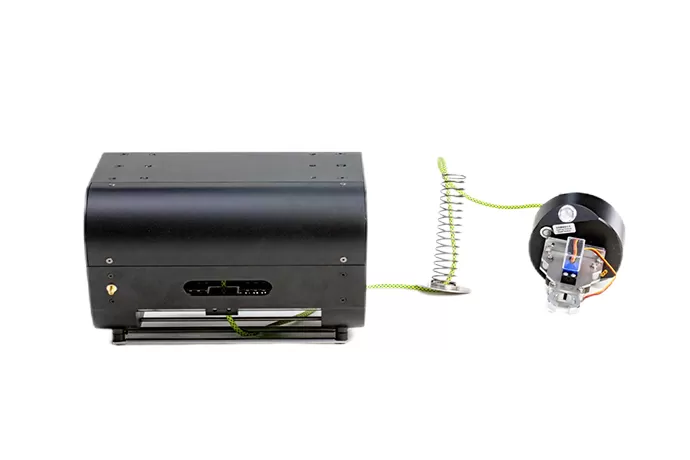
A UAV winch is a payload handling mechanism mounted on a drone, enabling controlled lowering or lifting of objects via a cable or tether while the drone remains airborne.
UAV winches are commonly used for:
Power line and telecom cable guidance
Placement and retrieval of sensors or equipment
Light cargo delivery to hard-to-reach locations
Inspection tasks requiring contact or proximity
Search and rescue or emergency supply drops
By eliminating the need to land, UAV winches improve safety and operational efficiency in complex environments.
Payload capacity is one of the most common concerns.
Safe lifting capacity depends on:
Drone payload limits
Winch motor and gear design
Cable strength and length
Flight stability and wind conditions
In real-world operations, winches are typically rated conservatively to preserve flight performance and safety margins. Operators must consider both static load and dynamic forces created during movement.
Selecting a winch that is specifically designed for the drone platform is critical.
Control method is a key question for professional users.
UAV winches for drone may be controlled through:
Remote controller buttons or sliders
Integrated UAV flight software
Dedicated payload control systems
Advanced winches provide smooth speed regulation, precise positioning, and automatic stop functions when limits or safety thresholds are reached. Reliable control is vital for accuracy and mission success.
Safety and compliance are essential considerations.
High-quality UAV winches incorporate safety features such as:
Emergency load release
Overload and tension protection
Automatic braking or locking mechanisms
Fail-safe behavior during signal or power loss
Additionally, UAV winch operations must follow local aviation regulations and operational guidelines. Proper training, risk assessment, and clear operating procedures are critical for safe deployment.
Choosing the right UAV winch requires evaluating both technical and operational needs.
Key selection criteria include:
Compatibility with the UAV model
Required lifting capacity and cable length
Payload type and attachment method
Environmental conditions and mission profile
Power consumption and flight time impact
For specialized tasks, customized winch accessories or system integration may be necessary.
UAV winches significantly extend drone capabilities by enabling active interaction with the environment rather than passive observation. They allow drones to perform tasks that are safer, faster, and more flexible than traditional methods.
By understanding what UAV winches are used for, how much they can lift, how they are controlled, safety considerations, and how to choose the right system, operators can confidently integrate this technology into their workflows.
When properly selected and operated, UAV drone winches deliver reliable performance and open new possibilities across a wide range of professional applications.
Previous: None
Next: None
If you are interested in sending in a Guest Blogger Submission,welcome to write for us!

All Comments ( 0 )